
You walk out of the courthouse with a signed decree in your hand, a child at your side, and a feeling that's hard to put into words. Relief. Joy. Gratitude. Sometimes exhaustion, too. Then the practical question lands almost immediately: What happens after an adoption is final in Texas?
That question catches many families off guard. The hearing feels like the finish line, but in real life it's the start of a new legal and administrative chapter. Your family is now legally recognized, but schools, doctors, insurance companies, Social Security, and state records won't update themselves.
The good news is that the hardest legal part is behind you. The court has spoken. Your child is yours in the fullest legal sense. What comes next is paperwork, follow-through, and, just as important, support while your family settles into its new shape.
The Final Hearing Is Over Now What
One of the most memorable moments in any adoption case is the quiet shift that happens after the judge signs the decree. Families often step into the hallway smiling, taking photos, texting relatives, and holding onto certified copies like they're made of glass. In many ways, they are. That decree matters.
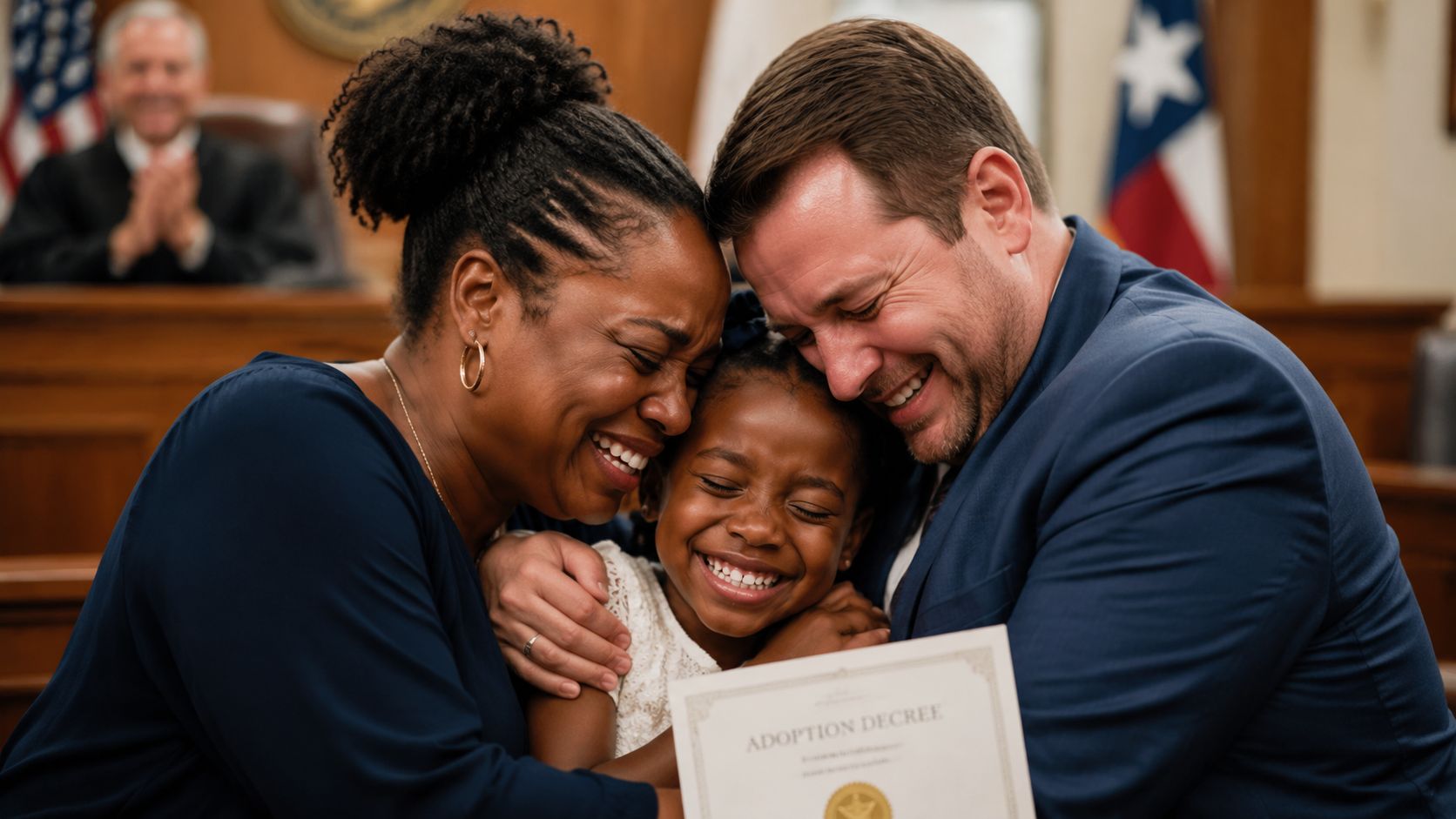
What surprises people is how quickly celebration turns into logistics. Parents ask whether they should call the pediatrician first, update insurance first, or wait for the birth certificate. They wonder what to tell the school, whether the child's records need to change immediately, and what to do if they already have travel plans.
Many guides stop at the hearing and briefly mention the new birth certificate, but the post-adoption period is bigger than that. As noted in this overview of Texas adoption finalization, Texas families may also need post-adoption support, and children adopted from foster care may qualify for free services through DFPS.
The decree ends the court case. It doesn't end the need for careful follow-up.
For some families, the next chapter is mostly administrative. For others, it also includes helping a child adjust to a new last name, explaining family roles to teachers or relatives, or setting healthy boundaries in an open adoption. That's normal.
What to do in the first few days
A simple first move is to create a dedicated folder for:
- Certified copies of the decree: Keep more than one if you have them.
- The child's current records: Medical, school, insurance, and identification documents.
- A running checklist: Note who has been notified and who still needs updated paperwork.
That kind of organization saves time later, especially when different offices ask for the same document in different ways.
Understanding the Power of Your Final Adoption Decree
The Final Adoption Decree is the document that changes everything legally. Under Texas Family Code Chapter 162, the court creates a permanent parent-child relationship between the adoptive parent or parents and the child. In plain English, the law now treats your child as your child for all legal purposes.
That matters in everyday life and in long-term protection. You can make decisions about medical care, education, and daily parenting without the uncertainty that existed before finalization. Your child also gains the legal status that comes with being a permanent member of your family.
What the decree actually does
The decree is more than a ceremonial order. It serves as proof that:
- Parental rights are settled: The adoptive parents hold the legal rights and duties of parents.
- The family relationship is permanent: This is not a temporary placement or foster arrangement.
- The child's legal status has changed: That affects records, inheritance, and identity documents.
Texas law is structured around the child's best interests, and finalization reflects the court's conclusion that this adoption should become permanent. Chapters 162 through 166 of the Texas Family Code govern different adoption-related procedures, but the central point for families after court is straightforward: the decree is the legal foundation for the next steps.
Why you need certified copies
A regular photocopy usually won't be enough. Schools may accept one for a file, but state agencies, federal offices, and passport processing often require a certified copy.
Practical rule: Put your certified decree in a safe place, and use scanned copies only when an office clearly says scans are acceptable.
This is also where trade-offs show up. Some parents want to move quickly and notify every office at once. That can work, but it can also create confusion if one agency updates the child's name before another has matching records. In practice, the smoother path is to move in a logical order, starting with the document that supports all the others.
The decree is legal proof, not the end of the process
Families sometimes assume the decree alone replaces every prior record. It doesn't. It proves the legal relationship, but many institutions still need their own update process completed before their systems reflect that change.
That's why post-finalization often feels like two realities at once. Legally, your child is fully and permanently your child. Administratively, several offices still need to catch up.
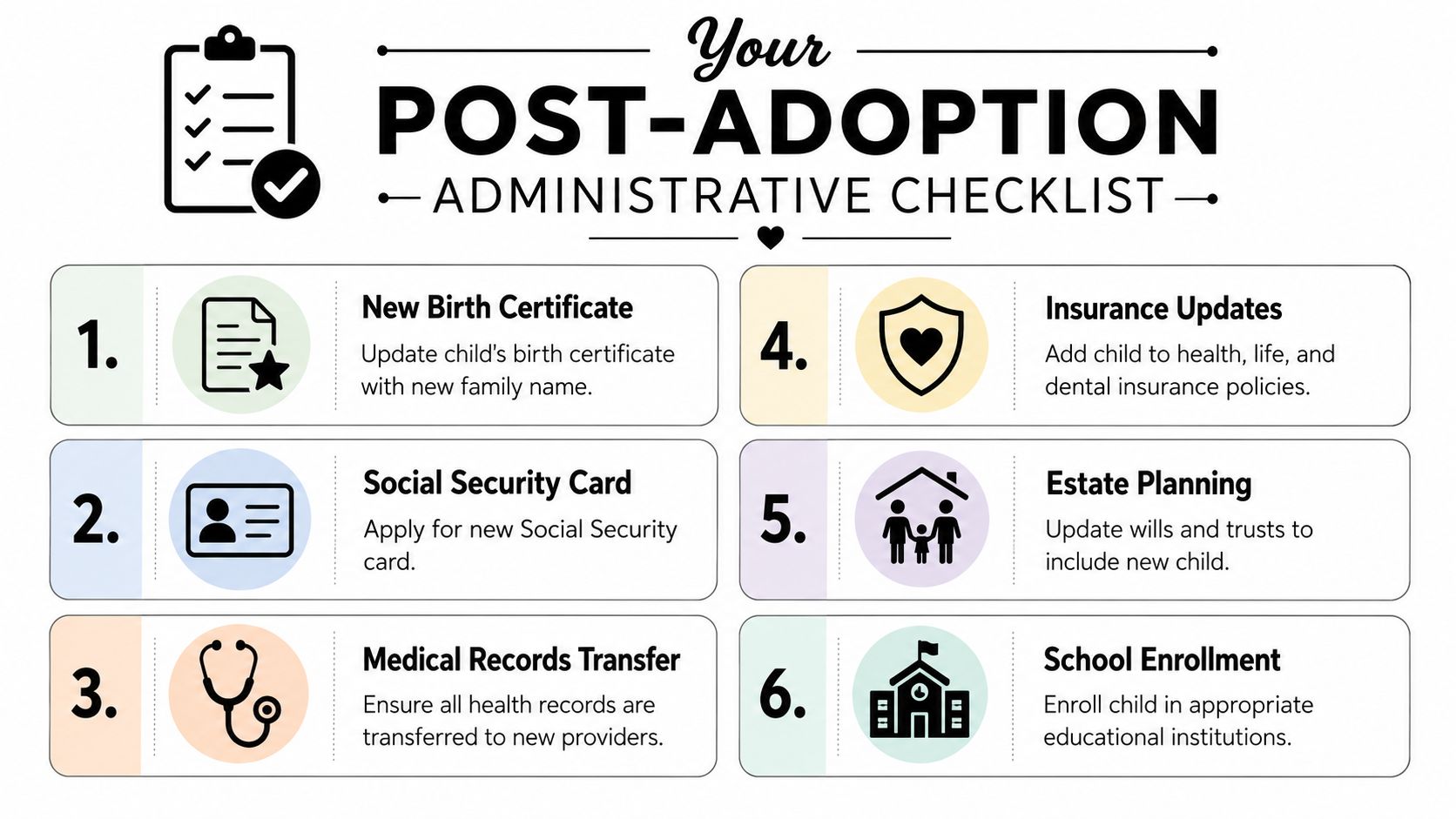
Your Post-Adoption Administrative Checklist
The first administrative step after finalization is usually the most important one. Request the child's amended birth certificate through the Texas Department of State Health Services. As explained in this Texas adoption birth certificate guide, the amended certificate legally replaces the original, supports later identity updates, and typically arrives within 2 to 4 weeks according to Texas Family Adoption.
Start with the amended birth certificate
In Texas, adoptive parents generally need to submit the certified Final Adoption Decree, the child's original birth certificate if available, and the required request form. This new birth certificate becomes the core identity document for the child's new legal record.
What works is treating this as urgent, not optional. Waiting can delay everything downstream. Insurance, Social Security, and passport applications often move more smoothly once the amended certificate is in hand.
Then update Social Security
After the amended birth certificate is requested, most families move to the child's Social Security record. The process typically involves SSA Form SS-5 along with supporting legal documents.
A common mistake is showing up before gathering every required paper. That often creates a second trip. Bring the decree and any newly issued identity documents available at that point.
Update health insurance and medical records
Your child's doctor and your insurance company need the legal relationship reflected in their records. This is not just clerical housekeeping. It helps ensure you can authorize treatment without delay or confusion.
Use the decree to update the legal guardian field and family information with:
- Health insurance plans: Medical, dental, and vision if applicable.
- Pediatricians and specialists: Ask each office to confirm the updated parent information in writing or through the patient portal.
- Pharmacies and therapy providers: Especially if the child receives ongoing care.
If a provider's front desk seems unsure what to do with an adoption decree, ask for a supervisor or records manager instead of arguing at the counter.
Notify benefit programs and schools
If the child receives Medicaid, SNAP, SSI, or other benefits, those records also need prompt attention. For school-aged children, update the registration file, emergency contacts, pickup permissions, and any name information used in class rosters or student portals.
Here's a practical sequence that tends to reduce delays:
| Task | Why it matters | Best timing |
|---|---|---|
| Request amended birth certificate | Supports identity updates | Immediately after finalization |
| Update Social Security | Aligns federal records | After filing for the amended certificate |
| Update insurance and doctors | Avoids treatment and billing issues | As soon as you have the decree |
| Update school records | Prevents enrollment and contact problems | Before the next school interaction |
| Apply for a passport if needed | Required for travel planning | After receiving updated identity documents |
Don't forget estate planning
Many parents focus only on government paperwork. That's understandable, but wills, trusts, and beneficiary designations matter too. Once the adoption is final, your estate plan should match your family reality.
This is one place where legal guidance can help. The Law Office of Bryan Fagan, PLLC handles adoption representation and finalization matters in Texas, and families often also ask an adoption attorney or estate planning lawyer to review wills and related documents after a decree is signed.
How Post-Finalization Steps Vary By Adoption Type
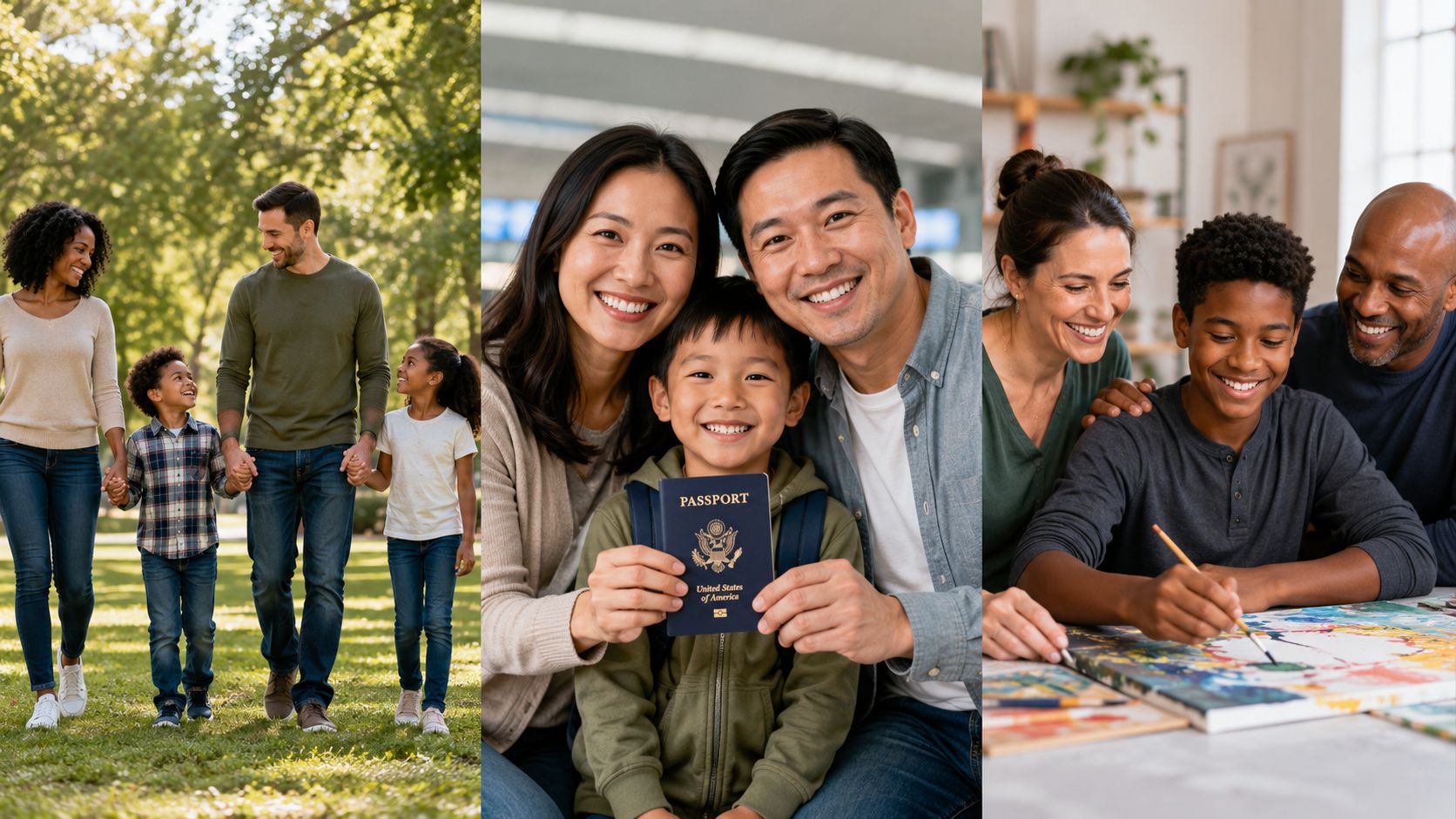
The paperwork basics are similar across cases, but the family's next steps often depend on how the adoption happened. A stepparent adoption has a different rhythm than a foster care adoption. An international matter can raise document issues that a domestic infant adoption never will.
Stepparent adoptions
For many stepparent families, the child is already living in the home, attending the same school, and seeing the same doctors. That means the emotional transition may feel less abrupt, but the legal updates still matter.
The main post-finalization work often includes:
- Updating school and medical authority: So the stepparent's legal status is clear everywhere.
- Reviewing estate planning: Especially if the family wants inheritance rights to be fully protected in every document.
- Helping the child process identity changes: A new surname can be meaningful, exciting, or complicated depending on the child's age.
Foster care adoptions
Families adopting from foster care usually need to pay close attention to benefits, records, and support services. Those cases may involve prior caseworkers, Medicaid, subsidy-related questions, therapy providers, and school accommodations already in place.
What works here is staying organized and proactive. Don't assume one update reaches every agency. It usually doesn't.
Private infant and domestic adoptions
In a private adoption, the administrative work may be straightforward, but the relational side can be more nuanced if the adoption includes ongoing contact with birth family members. Parents often need to decide how photos, updates, and communication will work in day-to-day life.
A consistent plan is better than an overly ambitious one. Families do better when expectations are realistic and respectful from the start.
International adoptions
International cases may require extra attention to citizenship, passports, and recognition of records. Families planning travel should be especially careful because the passport process requires the certified decree and the new birth certificate as evidence of the child's citizenship and parent-child relationship.
A quick comparison
| Adoption type | Most common post-finalization focus |
|---|---|
| Stepparent | School, medical, and estate updates |
| Foster care | Benefits, provider records, stabilization support |
| Private domestic | Identity documents and contact expectations |
| International | Citizenship and travel documentation |
The legal finish line is the same. The practical road afterward is not.
Navigating Common Post-Finalization Challenges
Final doesn't always mean simple. Some of the hardest questions show up after the hearing, especially when a family is adjusting to trauma history, ongoing contact with birth relatives, or a child's mixed emotions about the adoption.
Open adoption contact
Open adoption works best when everyone understands the difference between a personal agreement and a court-enforceable visitation right. In Texas-adjacent adoption guidance, post-placement visits typically occur over six months, and open-adoption contact depends on the agreement rather than a court-enforced right, as discussed in this explanation of adoption finalization and birth parent expectations.
That has real-world consequences. If communication becomes strained, the answer usually isn't to rush into litigation. The better first step is to revisit expectations, put boundaries in writing if needed, and focus on what supports the child's stability.
When the transition feels harder than expected
Some children settle in quickly. Others test limits, withdraw, grieve, or struggle with trust after finalization. Parents sometimes tell me they expected life to feel easier once the hearing was over. Instead, the child seems more emotional. That isn't unusual.
A child may feel safest showing big feelings after permanency becomes real.
Older children, children with trauma exposure, and families coming out of foster care often need practical support, not just reassurance. Counseling, post-adoption services, school coordination, and respite planning can make a meaningful difference.
If records don't update smoothly
A very common problem is inconsistency across systems. One office updates the new legal parent name right away. Another still has outdated records. A third wants documents in a different format.
When that happens:
- Keep a contact log: Write down names, dates, and what each office requested.
- Use certified copies carefully: Some offices only need to inspect them, not keep them.
- Ask for escalation early: Supervisors often know the adoption workflow better than frontline staff.
Concerns about legal challenges
Families also worry about whether a finalized adoption can still be attacked later. The legal protections after finalization are much stronger than they were before the decree, but if a family receives unexpected legal papers or hears from someone threatening to challenge the adoption, they should take it seriously and get legal advice quickly. A helpful starting point is this discussion of what happens if an adoption is challenged after finalization.
What doesn't work is ignoring the issue because the case is already closed. What does work is responding promptly, preserving documents, and letting counsel evaluate whether the concern has any legal basis.
Building Your New Family and Accessing Texas Support
The legal order creates the family on paper. Daily life is what builds the family in practice. Meals, bedtime routines, doctor visits, school pickup, shared jokes, and hard conversations all become part of the attachment process.
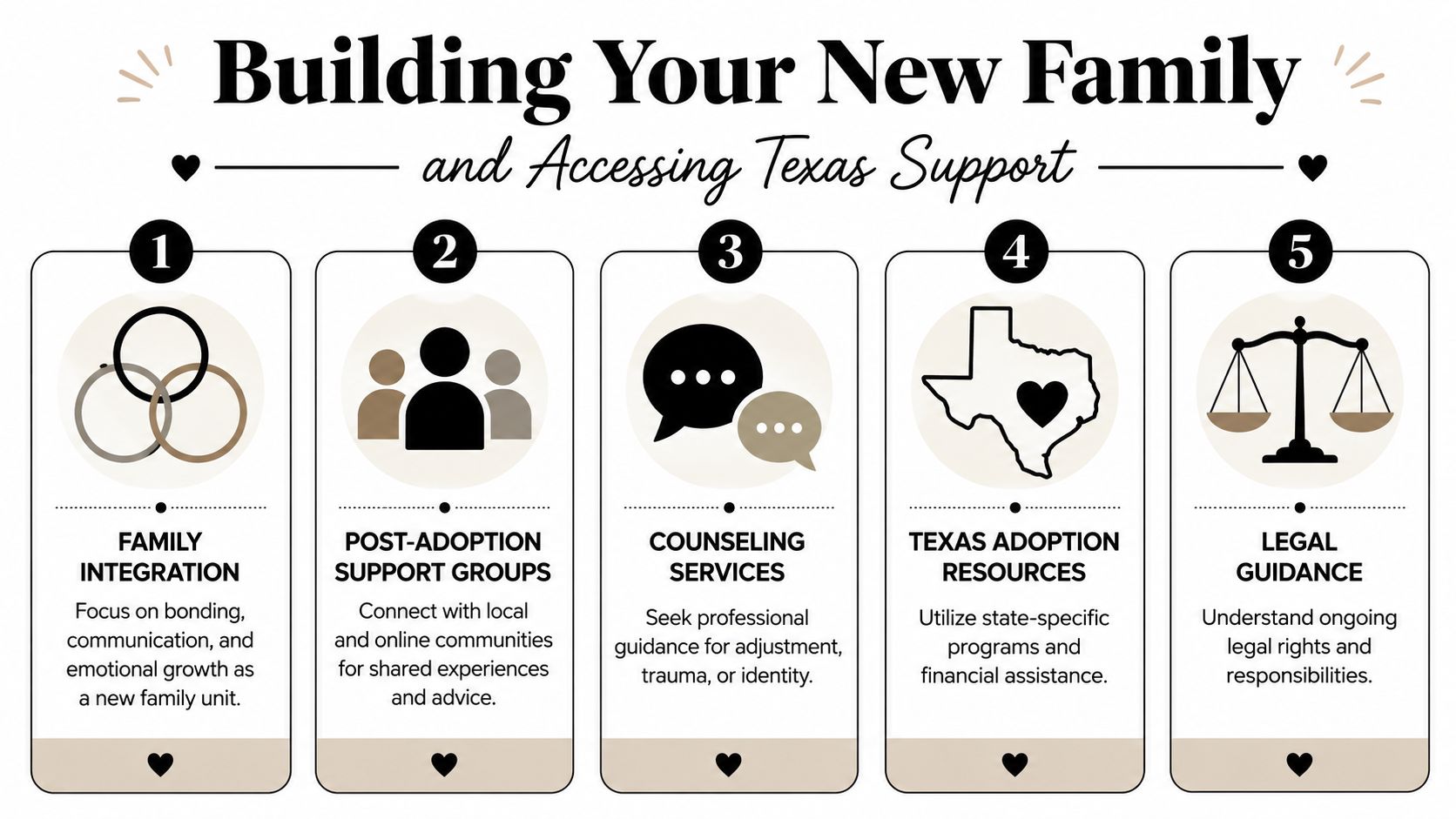
Texas families should know that support doesn't end with finalization. Post-finalization requires both administrative follow-through and active use of available services. Families are encouraged to contact their Post-Adoption Provider for no-cost services such as crisis intervention and family structure maintenance, a point noted in Texas adoption guidance. If your child was adopted from foster care, subsidy questions may also matter, and this adoption subsidy overview can help you understand the issue in plain language.
Support is not a sign that something is wrong
Some parents hesitate to ask for help because they think support services are only for families in crisis. That's not how I view them. Good post-adoption support is preventive. It helps families stabilize, communicate better, and respond early when stress starts building.
Here are examples of support that can help:
- Counseling: For attachment, grief, identity, or trauma-related concerns.
- Parent coaching: Useful when traditional discipline methods aren't working.
- Support groups: Helpful for reducing isolation and hearing from other adoptive families.
A short video can also help families think about the adjustment period with compassion and perspective.
Watch for everyday signs of stress
Sometimes the first sign that a family needs extra support isn't a legal issue at all. It's bedtime becoming a battle. School refusal. Hoarding food. Intense separation anxiety. Silence after visits or family milestones.
Those moments don't mean the adoption was a mistake. They usually mean the child needs safety, predictability, and adults who are willing to get the right help.
Frequently Asked Questions About Post-Adoption Life
Can a finalized adoption in Texas ever be reversed
A finalized adoption is intended to be permanent. That permanence is one of the main protections adoption gives a child and family. Still, difficult situations can arise, and Texas recognizes that adoptions can destabilize after consummation in some cases. If a family is facing a serious breakdown, they need individualized legal advice quickly rather than relying on general internet answers.
Do we have to tell our child they were adopted
Texas law doesn't create a simple household rule that parents must follow on timing or wording. But from a practical and emotional standpoint, honesty usually serves children better than secrecy. Age-appropriate conversations, repeated over time, tend to work better than one dramatic disclosure later.
For parents trying to build healthy communication habits, these SEL-based parenting tips offer useful ideas about connection, emotional language, and trust.
Children usually do best when adoption is treated as part of their story, not a hidden fact to discover later.
What if our child's school or doctor keeps using old records
Ask what specific document the office needs, provide a certified copy of the decree if required, and request that the office confirm the change in writing. If the problem continues, escalate to a records supervisor or compliance office. Frontline staff may not understand adoption paperwork, but someone higher up usually does.
Should we update our will after the adoption
Yes. Finalization should trigger a review of your estate plan. Wills, trusts, beneficiary forms, guardianship designations for minor children, and powers of attorney should all reflect your current family.
What happens if we move out of Texas later
Your Texas adoption decree remains a valid court order. Even so, you should update the child's records in your new state and keep certified copies of the decree and other identity documents accessible. If a school, agency, or insurer in the new state has questions, the paperwork trail becomes very important.
What if we need a passport soon after finalization
Don't wait until the week of travel. Passport processing depends on the child's updated identity documents, and the decree and amended birth certificate are key parts of that process. Build in time for paperwork and possible delays.
Is it normal to feel relieved and overwhelmed at the same time
Yes. That combination is one of the most common post-finalization experiences. Parents are often intensely happy and intensely tired. Children may also feel secure and unsettled at once. Those mixed reactions don't mean anything is wrong. They mean your family is adjusting to something meaningful.
If you've finalized an adoption in Texas and want guidance on the paperwork, post-adoption support, open adoption concerns, or the next legal steps for your family, schedule a free consultation with Law Office of Bryan Fagan, PLLC.
