 Skip to content
Embarking on the adoption journey is a profound act of love and commitment. For families in Texas, one of the most significant steps is the home study—a comprehensive evaluation designed to ensure every child is placed in a safe, nurturing, and prepared home. While it can feel daunting, the home study is not an interrogation; it's a collaborative process to prepare you for parenthood. It's about demonstrating your readiness to provide a stable, loving environment.
At The Law Office of Bryan Fagan, PLLC, we understand the mix of excitement and anxiety you may be feeling. This comprehensive adoption home study checklist is designed with compassion and clarity to demystify the process. We will walk you through each requirement, from essential paperwork to the personal interviews, all grounded in the Texas Family Code, so you can move forward with confidence and peace of mind.
This guide will break down the specific documentation and preparations needed, covering everything from background checks and financial stability to home safety and parenting education. We’ll also touch on special considerations for stepparent, kinship, and LGBTQ+ adoptions. For families considering international adoption, preparing for the home study also involves understanding requirements for official documents. It's crucial to obtain a reliable certified translation for immigration purposes for any non-English paperwork. By understanding each step, you can transform this seemingly overwhelming requirement into a structured and manageable part of your beautiful journey to building a family. Let's begin preparing your path to a successful adoption.
1. Background Check and Criminal History Clearance
A comprehensive background check is the non-negotiable first step in any Texas adoption home study checklist. This process is designed to ensure the safety and well-being of the child, which is the court's highest priority. Your social worker and adoption agency must verify that all hopeful adoptive parents and any other adults living in the home have a clear criminal history, free from any disqualifying convictions.
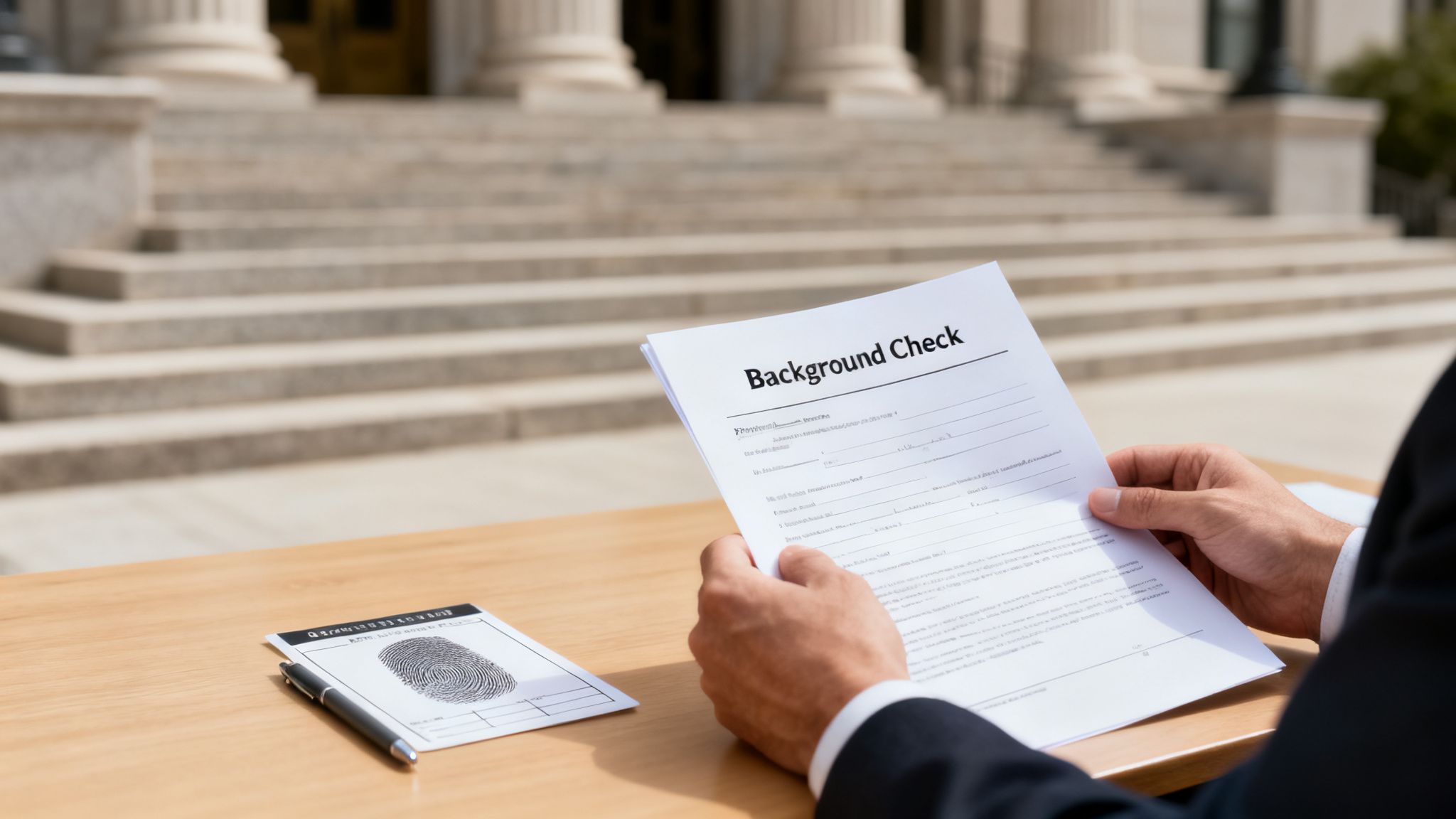
The state of Texas is very specific about what constitutes a disqualifying offense. These are outlined in Chapter 162 of the Texas Family Code and generally include convictions related to child abuse or neglect, domestic violence, crimes against children, and other serious felonies. To learn more about specific offenses, you can read about what disqualifies you from adopting in Texas. This comprehensive screening is a critical safeguard, providing peace of mind to everyone involved in the adoption triad—the child, the birth parents, and the adoptive parents.
What the Background Check Involves
The process is thorough and multi-layered, typically including:
- FBI Fingerprinting: Each adult in the household will need to be fingerprinted to run a national criminal history check.
- State Criminal History Review: A check is run through the Texas Department of Public Safety (DPS) for any state-level offenses.
- Child Abuse and Neglect Registry Check: Your names will be checked against the Texas Department of Family and Protective Services (DFPS) central registry.
Actionable Tips for a Smooth Process
Navigating the background check can feel intimidating, but proactive steps can make a significant difference.
- Start Early: This is often the longest part of the home study, sometimes taking 4-8 weeks. Begin as soon as your agency gives you the green light.
- Disclose Everything: Honesty is paramount. Be upfront with your social worker and attorney about any past arrests or incidents, even if they were minor or did not result in a conviction. Transparency builds trust and allows your legal team to prepare accordingly.
- Keep Meticulous Records: Once you receive your clearance letters, make several copies. You will need them for your agency, your attorney, and your own records.
- Consult an Attorney for Issues: If a past offense creates a potential hurdle, don't panic. An experienced adoption attorney can review the situation and advise on the best path forward, which may include seeking a risk evaluation or other legal remedies.
2. Home Safety Inspection and Environmental Assessment
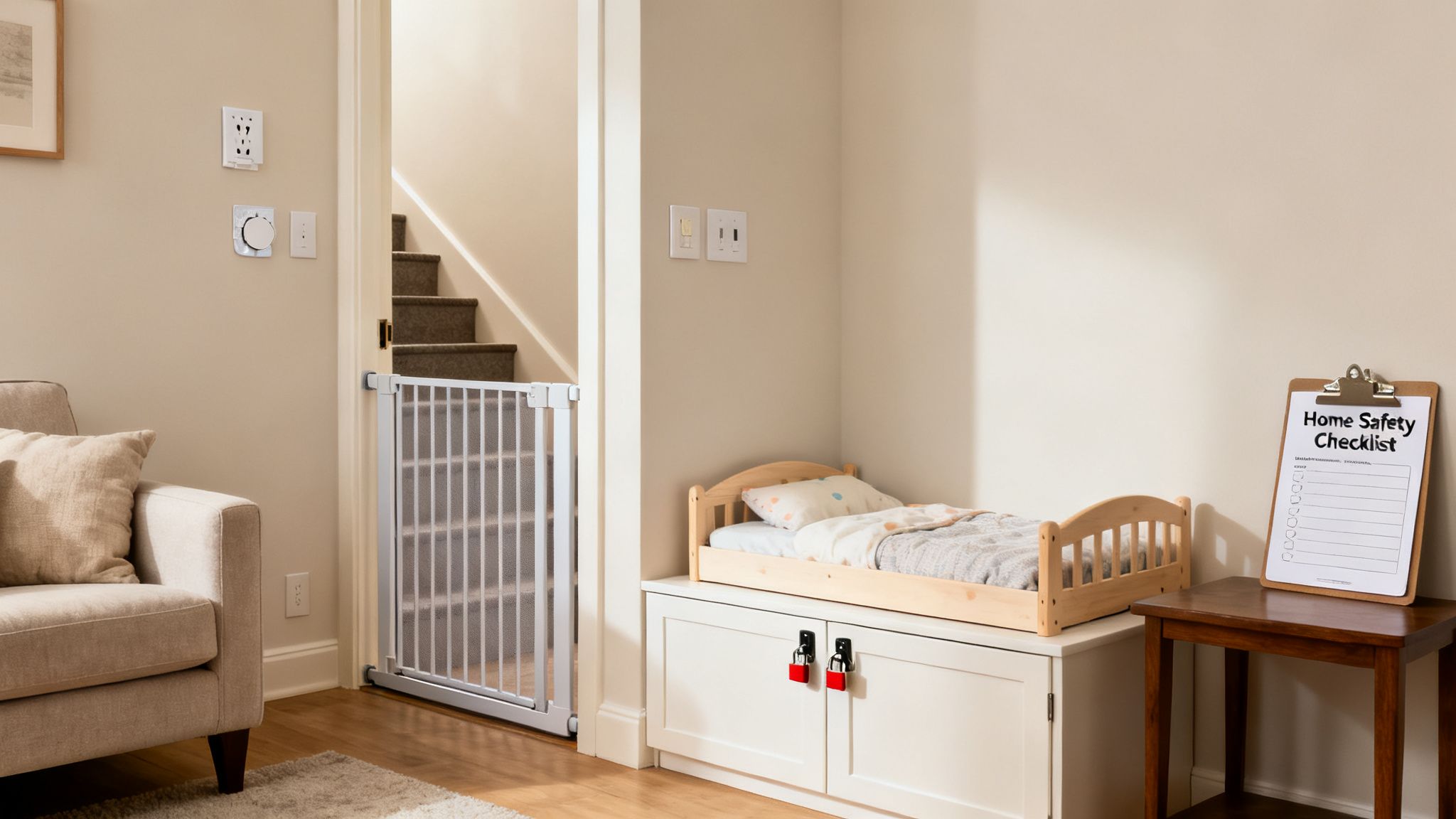
A physical home inspection is a critical component of the adoption home study checklist where a licensed social worker evaluates your living environment. This assessment is designed to ensure the home is a safe, sanitary, and appropriate place for raising a child. The inspection covers everything from structural safety and hazard identification to sleeping arrangements, childproofing, and overall cleanliness, confirming that your home is ready to welcome a new family member.
This requirement applies uniformly across all Texas adoptions, including domestic, stepparent, kinship, and foster care. For example, a Houston family adopting a child with unique needs might need to demonstrate accessibility modifications, while a San Antonio family pursuing a kinship adoption of a teenager will have different childproofing requirements than a family adopting a newborn. The core principle remains the same: the environment must support the well-being of the specific child you hope to adopt.
What the Home Safety Inspection Involves
A social worker will physically walk through your home to ensure it meets state safety standards. A critical part of this involves ensuring that your home is thoroughly prepared and knowing how to childproof your home room by room. Key areas of focus include:
- Hazard-Free Environment: Checking for secure storage of medications, cleaning supplies, and firearms. They will also look for functioning smoke detectors and carbon monoxide alarms.
- Childproofing Measures: Verifying that appropriate safety measures are in place for the age of the child, such as outlet covers, cabinet locks, and gates for stairs.
- Safe Sleeping Area: Ensuring the child will have a safe, designated space to sleep with an appropriate bed or crib.
- General Sanitation and Structural Soundness: Assessing the overall cleanliness of the home and looking for any structural issues like faulty wiring or plumbing problems.
Actionable Tips for a Smooth Process
Being prepared for the home visit can alleviate stress and help demonstrate your readiness to parent. A proactive approach shows your commitment and attention to detail.
- Childproof in Advance: Don’t wait for the social worker to give you a list of required changes. Complete all necessary childproofing before the scheduled inspection.
- Document Your Preparations: Take photos of the safety measures you have implemented, such as installed baby gates or locked medicine cabinets. Keep receipts for safety items you purchased.
- Address Issues Immediately: If the social worker identifies any safety concerns, address them promptly. Delays in making required changes can slow down the entire adoption process.
- Get Landlord Approval: If you rent your home, get written permission from your landlord for any permanent modifications you need to make, such as anchoring heavy furniture to the walls.
3. Financial Documentation and Stability Verification
A core part of the adoption home study checklist involves verifying that you have the financial stability to support a child. Adoption agencies and social workers require comprehensive financial documentation to assess your ability to meet a child's needs. This isn't about being wealthy; it's about demonstrating responsible financial management and the capacity to provide a secure environment for a child to thrive.
Texas law does not set a minimum income requirement for adoptive parents. Instead, the focus is on stability. A social worker will evaluate your income, assets, debts, and overall financial health to ensure you can cover essentials like food, shelter, healthcare, and education. This review is a crucial step to confirm that adding a child to your family is financially sustainable, which is always in the best interest of the child. For an in-depth look, you can learn more about Texas adoption financial and health assessments.
What the Financial Review Involves
The documentation required provides a complete picture of your financial life and typically includes:
- Proof of Income: Recent pay stubs, W-2 forms, or employment verification letters.
- Tax Returns: Typically, the last 2-3 years of federal tax returns are required.
- Bank Statements: Recent statements for checking and savings accounts to show cash on hand and responsible spending habits.
- Proof of Assets and Debts: Statements for mortgages, car loans, retirement accounts, and credit cards.
- Insurance Verification: Proof of health, life, and homeowner's or renter's insurance.
Actionable Tips for a Smooth Process
Preparing your financial documents ahead of time can make this part of the home study feel much less stressful.
- Organize Everything Early: Create a dedicated folder (physical or digital) with all required financial documents. Having everything in one place before your first meeting shows you are prepared and organized.
- Be Proactive and Transparent: If you have significant debt, a past bankruptcy, or an inconsistent income history, address it directly with your social worker. Explain the circumstances and the steps you have taken to create stability. Honesty builds trust.
- Create a Family Budget: Presenting a detailed monthly budget demonstrates that you have thoughtfully considered the financial impact of a child. Include anticipated costs like childcare, food, and medical expenses.
- Research Financial Assistance: Mention your awareness of the adoption tax credit and any potential subsidies, especially if pursuing an adoption from foster care. This shows you are resourceful and have a long-term financial plan.
4. Personal and Professional References
Beyond official documents, your home study social worker needs to understand who you are as a person, partner, and potential parent. This is where personal and professional references become a vital part of your adoption home study checklist. Agencies require hopeful adoptive parents to provide multiple references from individuals who can offer firsthand accounts of your character, stability, emotional maturity, and suitability to adopt. These testimonials provide an independent, real-world perspective that complements the information you provide in interviews.
In Texas, the home study process typically requires three to five reference letters from non-relatives who have known you for a significant period. These references help the social worker build a holistic picture of your support system and readiness to welcome a child into your life. For instance, a Dallas professional couple might list a direct manager and a longtime neighbor, while an aunt in Fort Worth pursuing a kinship adoption could include a family therapist and her nephew's teacher.
Who Should Be a Reference
Selecting the right people is crucial. You want individuals who can provide thoughtful, specific, and positive insights. Your list should be diverse and credible.
- Professional References: This could be a current or former employer, a direct supervisor, or a long-term colleague who can speak to your responsibility and integrity.
- Community References: Consider a faith leader, a volunteer coordinator, or a mentor who knows you in a community context.
- Personal References: Longtime friends, neighbors, or parents of your children's friends are excellent choices. They can attest to your character and social interactions.
- Family (Supplemental): While most references must be non-relatives, some agencies allow one letter from a family member as a supplement.
Actionable Tips for a Smooth Process
Managing your references proactively ensures this step supports your adoption journey effectively.
- Prepare Your References: Don't just send a name and number to your agency. Call each person first, explain that you are pursuing adoption, and ask if they are comfortable providing a positive reference. Give them a brief overview of the process so they know what to expect.
- Choose Wisely and Diversely: Select people from different areas of your life who have witnessed your character in various situations. A mix of professional, community, and personal contacts provides a well-rounded view.
- Be Transparent: If a potential reference might mention a past struggle you've overcome, be upfront about it with your social worker and attorney first. Framing the narrative honestly is always the best approach.
- For LGBTQ+ Families: It can be helpful to choose references who can specifically speak to your supportive community and affirm your readiness to provide a loving, inclusive home for a child. This might include a leader from an affirming faith community or a friend from a family equality group.
5. Marriage and Relationship Stability Documentation
For couples pursuing adoption, the home study assesses the stability and health of your relationship to ensure a child will be placed in a secure, unified, and supportive home. The investigator’s goal is to see that both partners are equally committed to the adoption and can parent as a cohesive team. Texas law provides equal treatment for all legally recognized marriages, and the focus remains on the partnership's strength, not its structure.
This part of the adoption home study checklist involves interviews with both partners, together and separately, as well as providing legal documentation of your relationship. For single parents, the focus shifts to documenting your support system and stability. A San Antonio single mother, for example, might demonstrate her readiness by providing a detailed child care plan and letters of support from her parents and close friends who will be part of the child's life.
What the Relationship Assessment Involves
The evaluation is both documentary and conversational, aiming to get a complete picture of your partnership dynamics.
- Legal Documentation: You will need to provide a copy of your marriage certificate. If you have been previously married, you will also need to provide divorce decrees.
- Joint and Individual Interviews: The social worker will interview you as a couple to understand your parenting philosophies, communication styles, and how you resolve conflict. They will also meet with each of you individually.
- Relationship History: Be prepared to discuss your relationship's history, how you met, your strengths as a couple, and how you have navigated challenges together.
Actionable Tips for a Smooth Process
Demonstrating a strong, stable foundation is key. Preparation and open communication can make this part of the process feel natural and reassuring.
- Bring Documentation Early: Have certified copies of your marriage certificate and any divorce decrees ready for your first home study appointment.
- Present a United Front: Discuss your parenting philosophies, discipline styles, and expectations with your partner beforehand. Presenting a unified approach shows the social worker you are prepared to parent as a team.
- Attend All Meetings Together: Whenever possible, both partners should attend all home study appointments. This shows a shared commitment to the adoption process.
- Be Honest About the Past: If you have previous divorces, be transparent. Frame the experience as a learning opportunity that has made your current relationship stronger.
- Single Parents – Highlight Your Village: Proactively outline your support network. Discuss who will provide childcare, emotional support, and be a positive influence in your child’s life. This shows thoughtful preparation.
6. Medical Examination and Health History Documentation
As part of the adoption home study checklist, hopeful adoptive parents in Texas are required to provide a thorough medical and health history. This step verifies that you are physically and mentally equipped to handle the demands of parenting. The goal is not to penalize individuals with health conditions but to ensure the long-term well-being of the child by confirming parents have the capacity and stability to provide consistent care.
Texas law recognizes that people with well-managed chronic conditions, successfully treated mental health issues, or disabilities can be wonderful parents. For instance, a Houston parent with managed diabetes can provide a physician's letter confirming their stability, which poses no barrier to adoption. Similarly, an Austin parent who received therapy for anxiety five years prior can show documentation of successful treatment and current mental wellness. The focus is always on your functional ability to parent effectively.
What the Health History Involves
Your social worker will review documentation that paints a clear picture of your overall health, including:
- Recent Physical Examination: A complete physical from your primary care physician, usually performed within the last year.
- Physician’s Statement: A letter from your doctor confirming you are in good health and have a normal life expectancy, addressing your physical and mental capacity to be a parent.
- Documentation of Conditions: If you have any chronic health issues or a mental health history, you will need letters from specialists or therapists detailing your treatment, management plan, and current stability.
- List of Medications: A comprehensive list of all current prescriptions and over-the-counter medications you take regularly.
Actionable Tips for a Smooth Process
Navigating the medical review requires organization and clear communication. A proactive approach can prevent delays and reassure your social worker.
- Schedule Exams Early: Book your physical exam as soon as you begin the home study process. Give your doctor the context of the adoption so they can provide a comprehensive and supportive letter.
- Be Transparent: Disclose your full health history to your social worker. Whether it's a chronic illness, past therapy, or a history of substance abuse recovery, honesty builds a foundation of trust.
- Focus on Capacity, Not Limitations: When gathering documentation for a disability or health condition, frame the information around your functional capacity and any accommodations that support your parenting abilities.
- Organize Your Records: Keep all medical letters, exam results, and related documents in a dedicated folder. You will need copies for your agency, and your attorney may need to review them for your court finalization.
7. Parenting Classes and Adoption Education Completion
Completing required parenting and adoption-specific education is a key component of the Texas adoption home study checklist. Agencies and social workers mandate these classes to ensure prospective parents are prepared for the unique joys and challenges of raising an adopted child. This training demonstrates your commitment to informed, compassionate parenting and your understanding of issues like attachment, trauma, and the complex emotions within the adoption triad.

The requirements vary based on the type of adoption and your agency's policies. For example, a Houston couple pursuing a domestic infant adoption might complete a 6-hour class on infant care and attachment, while Austin parents adopting from foster care may need over 12 hours of trauma-informed parenting education. These courses are designed to equip you with the specific tools you will need to help a child thrive, ensuring you can meet their needs from day one.
What Adoption Education Involves
These courses go beyond generic parenting advice, focusing on the specific dynamics of building a family through adoption. Content typically covers:
- Child Development and Attachment: Understanding how early life experiences shape a child's ability to form secure bonds.
- Trauma-Informed Care: Learning strategies to parent children who may have experienced loss, neglect, or instability.
- Discipline and Connection: Focusing on positive, connection-based discipline methods suitable for children with complex histories.
- The Adoption Triad: Exploring the lifelong relationships between the adoptive family, the birth family, and the adopted child.
Actionable Tips for a Smooth Process
Being proactive about your education can strengthen your home study application and your future parenting skills.
- Clarify Requirements Early: Ask your agency or adoption attorney for a list of approved courses or required topics to ensure you're on the right track.
- Prioritize Adoption-Competent Training: While general parenting classes are helpful, seek out courses specifically designed for adoption. These show a deeper commitment to understanding the unique needs of adopted children.
- Engage Actively: Take detailed notes and participate in discussions. Your social worker will likely ask what you learned during your home study interviews to gauge your understanding and preparedness.
- Seek Specialized Education: If adopting a child with special needs, from a different cultural background, or an older child, look for specialized training in those areas to show your commitment.
8. Home Study Report Writing and Social Worker Recommendation
The culmination of your journey through the adoption home study checklist is the formal written report prepared by your licensed social worker. This comprehensive document synthesizes every piece of information gathered, from background checks and financial statements to personal interviews and home safety inspections. It serves as a detailed narrative of your family's readiness to welcome a child, concluding with the social worker's professional recommendation on your suitability to adopt.
In Texas, this report is more than just a summary; it's a critical legal document that must be filed with the court as part of the adoption proceedings. The thoroughness of the report and, most importantly, the social worker’s positive recommendation, directly influence the judge's final decision. A well-written, favorable report is a powerful testament to your preparedness and is often the key to a smooth and successful court finalization. You can explore a deeper breakdown of this final step and what is a home study for adoption to understand its legal weight.
What the Home Study Report Involves
The final report is a detailed summary of the entire process, structured to give the court a complete picture of the prospective adoptive family. It typically includes:
- Detailed Findings: A section summarizing the results from every checklist item, including document reviews, home inspections, and background clearances.
- Interview Summaries: An overview of discussions with all household members, covering topics like parenting philosophies, marital stability, and support systems.
- Professional Assessment: The social worker’s analysis of your family's strengths, emotional maturity, and capacity to provide a safe, nurturing home.
- Final Recommendation: A clear statement recommending for or against the approval of your family as adoptive parents.
Actionable Tips for a Favorable Report
The final report is a reflection of the relationship and information you've shared. Proactive steps can help ensure it accurately represents your family.
- Build a Strong Rapport: From your very first interaction, strive to build a trusting and open relationship with your social worker. They are your advocate, and feeling comfortable with them encourages honest and meaningful conversations.
- Provide a 'Why' Statement: Consider preparing a brief, heartfelt written statement about your motivations for adopting and how you plan to support a child's unique journey. This adds a personal touch that can be referenced in the report.
- Request a Review: Many agencies allow prospective parents to review a draft of the report before it's finalized and filed. This is your chance to catch any factual errors or misinterpretations.
- Address Discrepancies Professionally: If you disagree with a statement in the report, do not let it go unaddressed. Discuss your concerns with your adoption attorney, who can help you formulate a professional written response to submit to the agency and the court.
Your Next Step: Partnering with an Experienced Texas Adoption Attorney
Navigating the Texas adoption home study is a monumental undertaking, and reaching this point in your research means you are deeply committed to building your family. This comprehensive adoption home study checklist has walked you through the critical components, from the meticulous gathering of financial and medical records to the deeply personal interviews and home safety inspections. Each step, whether it's securing powerful references or completing parenting education, is a deliberate action bringing you closer to welcoming a child into your life.
The core purpose of this exhaustive process, as outlined in the Texas Family Code, is singular: to ensure a safe, stable, and nurturing environment for a child. Your social worker isn't looking for perfection; they are looking for preparation, honesty, and a genuine capacity to love and provide. Remember, the goal is to present an authentic and comprehensive picture of the loving home you have to offer.
From Checklist to Confidence: Key Takeaways
As you move forward, keep these essential insights at the forefront of your preparation:
- Proactive Preparation is Paramount: The home study is not a test to be crammed for. It's a marathon. Begin gathering documents like birth certificates, marriage licenses, and financial statements early. Addressing potential issues, such as a past misdemeanor or a needed home repair, demonstrates responsibility and foresight.
- Honesty and Transparency Build Trust: Your relationship with your social worker is foundational. Be open and honest about your past, your parenting philosophies, and even your anxieties. A willingness to be vulnerable and discuss challenges frankly is seen as a sign of strength and self-awareness, not weakness.
- Documentation Tells Your Story: Every document you provide contributes to the narrative of your life. Financial stability isn't about being wealthy; it's about responsible budgeting. A clean bill of health demonstrates you are physically and mentally prepared for the rigors of parenthood. Each piece of paper validates the story you tell in your interviews.
- The "Best Interest of the Child" is the Guiding Principle: Every question asked, every form filled out, and every corner of your home inspected is viewed through this lens. Frame your answers and preparations around how you will meet a child's needs emotionally, physically, and developmentally.
Transforming Knowledge into Action
While this checklist is your roadmap, the journey itself can have unexpected turns. A seemingly minor detail on a background check could cause delays. An ambiguous answer in an interview might raise a red flag. This is where the value of an experienced legal partner becomes undeniable. An adoption attorney does more than just file paperwork for finalization; they serve as your advocate and guide throughout the entire process.
Having a knowledgeable Texas adoption attorney review your adoption home study checklist and compiled documents before submission can be a game-changer. They can help you contextualize any complex life events, ensure your documentation is thorough and correctly presented, and give you the confidence that your home study report is as strong as it can be. This legal oversight helps prevent unnecessary delays and strengthens your case for approval, allowing you to focus on the most important part: preparing your heart and home for your future child. You have done the hard work of self-reflection and preparation; now, let a professional ensure your efforts are perfectly presented.
The path to adoption is a journey of heart, hope, and detailed preparation. The team at the Law Office of Bryan Fagan, PLLC is dedicated to providing the compassionate legal guidance you need to navigate the Texas home study with confidence and clarity. Schedule a free, confidential consultation with us today to discuss your unique situation and ensure your adoption journey is smooth, secure, and successful.

