
Top Components of a Texas Adoption Home Study Explained
Have you ever cleaned your entire house just because guests were coming over—only to realize you forgot the most important
Have you ever cleaned your entire house just because guests were coming over—only to realize you forgot the most important
The adoption home study is a critical step in the adoption process, serving as an assessment of the prospective adoptive family. This evaluation ensures that families are prepared for the responsibilities of adoption and helps agencies understand the family dynamics, living situation, and readiness to provide a nurturing environment for a child.
During the home study, social workers conduct interviews, review documents, and perform home visits to gauge the family's suitability. Families can expect to provide personal information, financial statements, and references, all aimed at demonstrating their ability to care for a child. Understanding this process can alleviate anxiety and prepare families for what lies ahead.
Each state has specific requirements for adoption home studies, and Texas is no exception. Prospective adoptive parents must meet certain criteria, including background checks, health assessments, and financial evaluations, to ensure they can provide a safe and stable home.
In Texas, families are required to submit to criminal background checks and child abuse clearances. Additionally, they must demonstrate financial stability and undergo interviews that assess their parenting philosophies and lifestyle choices. Familiarizing oneself with these requirements can streamline the home study process and prepare families for the necessary documentation.
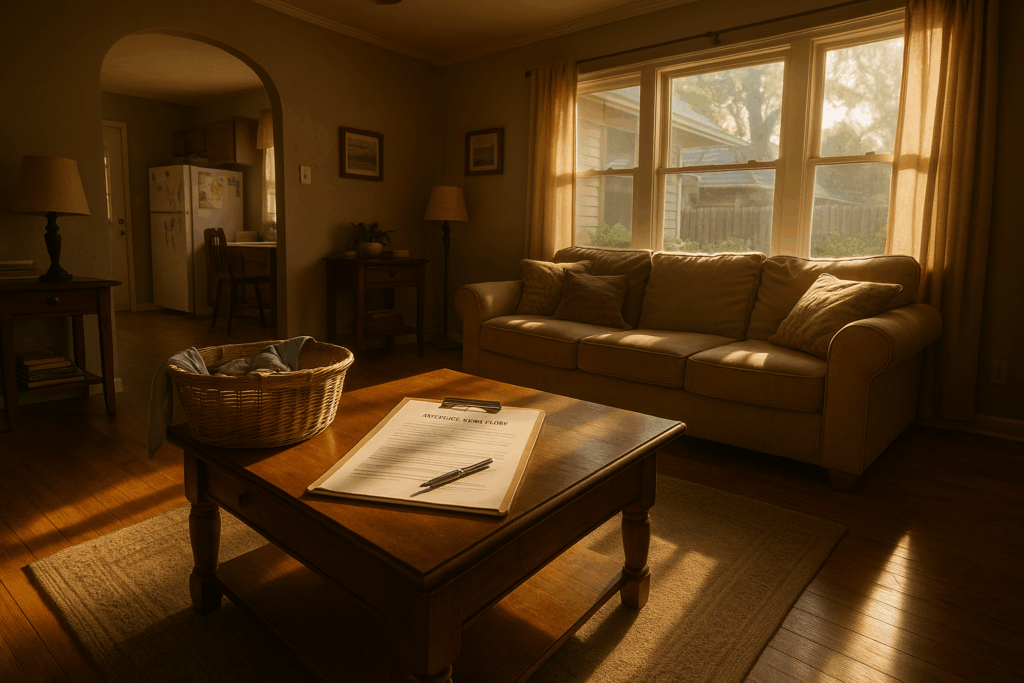
Preparation is key to a successful adoption home study. Families should gather necessary documents, create a welcoming environment for the home visit, and mentally prepare for the questions they may face during interviews. Taking these steps can help families present themselves in the best light.
To prepare, families should compile documents such as tax returns, proof of income, and medical records. They should also consider how to make their home inviting and comfortable for the social worker's visit. Practicing answers to common questions about parenting styles and family dynamics can also help ease nerves and promote a positive experience.
The home study visit is often the most anticipated part of the process for prospective adoptive families. During this visit, a social worker will assess the home environment and interact with family members to evaluate their readiness for adoption.