
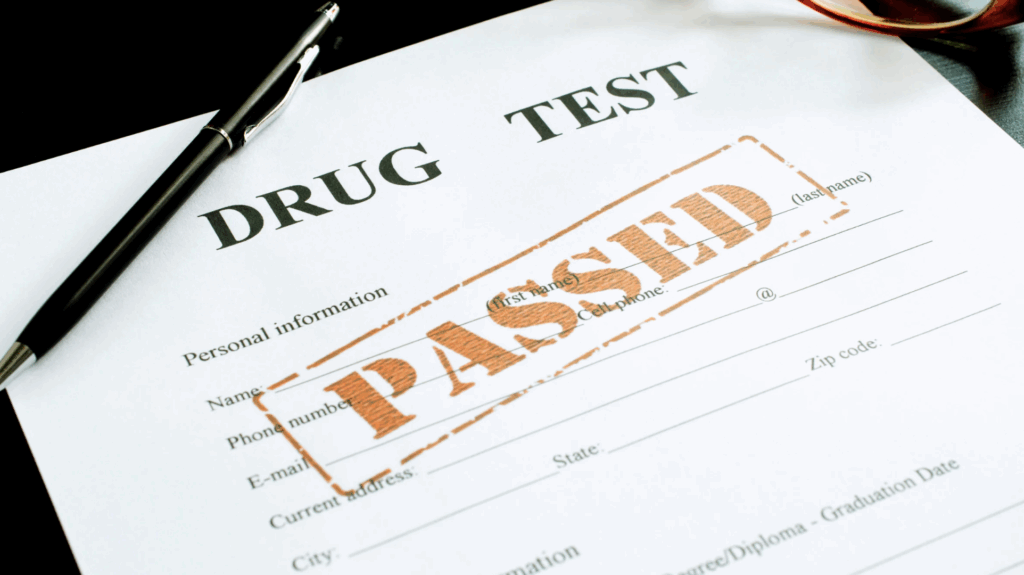
When starting the adoption process, many prospective parents worry about background checks, home inspections, and health screenings. One common question is: “Do they drug test for adoption in Texas?”
The short answer is yes—drug testing may be part of the adoption process in Texas, especially for foster care and state-licensed adoptions. However, the requirements can vary depending on the type of adoption and the agency involved.
Here’s what you need to know.
DRUG TESTING AND BACKGROUND CHECKS: WHAT TEXAS LAW REQUIRES
Under Texas law, every prospective adoptive parent must undergo a background check and home study before adoption approval. This process is designed to ensure the safety and well-being of the child—not to judge personal habits or lifestyle choices.
The background check includes:
- Criminal history (state and federal)
- Child abuse and neglect registry search
- Home environment assessment
- Interviews with family members
- Medical and financial evaluations
Drug Testing Requirements
While not explicitly required by the Texas Family Code for all adoptions, many agencies and the Department of Family and Protective Services (DFPS) include drug testing as part of the home study or foster-to-adopt process.
WHEN DRUG TESTING IS REQUIRED
1. Foster Care or Foster-to-Adopt
Drug testing is standard for anyone applying to foster or adopt through DFPS. This includes all adults living in the home. The state prioritizes child safety, and testing helps ensure a stable, drug-free environment.
2. Private Agency Adoptions
Private adoption agencies often have their own screening policies. Some require drug testing during the home study, while others rely on background checks and personal references. Always confirm with your agency before beginning the process.
3. Stepparent and Kinship Adoptions
For stepparent or relative (kinship) adoptions, drug testing is generally not mandatory unless the court requests it or concerns arise about the child’s safety. Judges have discretion to order testing if deemed necessary.
4. International Adoptions
In international adoptions, drug testing requirements depend on the policies of both the sending country and the adoption agency handling the case.
WHAT HAPPENS IF YOU FAIL A DRUG TEST?
If a prospective adoptive parent fails a drug test, the consequences depend on the substance, frequency, and type of adoption:
- For DFPS adoptions: A failed test for illegal drugs or misuse of prescription medication can disqualify you from fostering or adopting through the state.
- For private adoptions: The agency may delay or deny approval until the issue is resolved.
- For court-ordered tests: The judge may require treatment, counseling, or additional screenings before proceeding.
In all cases, honesty and transparency are critical. Agencies often work with applicants who demonstrate accountability and a commitment to creating a safe home environment.
WHY TEXAS TAKES DRUG TESTING SERIOUSLY
Drug testing ensures that children are placed in safe, stable homes. The goal is not to punish or discriminate against applicants—it’s to protect children from potential harm caused by substance abuse or addiction.
Texas courts and agencies prioritize the best interests of the child, which include:
- A safe living environment
- Emotional and financial stability
- Reliable caregivers free from substance dependency
FREQUENTLY ASKED QUESTIONS
Is marijuana use disqualifying?
It can be. Marijuana remains illegal under federal law, and most agencies in Texas follow federal guidelines when assessing suitability for adoption.
Are prescription medications a concern?
No, if they are prescribed by a licensed physician and used as directed. Misuse, however, may raise concerns.
Do all adults in the household have to take a drug test?
Yes. In foster and DFPS adoptions, every adult living in the home is subject to testing.
FINAL THOUGHTS
So, do they drug test for adoption in Texas? In most cases, yes—particularly for foster care and DFPS adoptions. Private and kinship adoptions may vary, but all adoption processes include thorough background and home studies to ensure the child’s safety.
If you’re considering adoption, be open, honest, and prepared. A clean and stable home environment matters far more than perfection, and agencies are looking for committed, loving parents who can provide lifelong care.

Bryan Fagan is a Texas family law attorney with a heart for adoption—inspired not just by his legal career, but by his own family story. Growing up in Atascocita with two adopted brothers, Bryan learned early the profound meaning of chosen family. His passion for justice was sparked by John Grisham’s The Pelican Brief, and he became the first lawyer in his family, balancing night classes at South Texas College of Law while caring for his grandmother with Alzheimer’s.
Today, Bryan brings that same dedication to his practice, guiding families through adoptions, custody disputes, divorces, and complex marital agreements. A certified member of the College of the State Bar of Texas, he combines elite legal expertise with genuine empathy—drawing from his roles as a husband, father of three, and advocate for families facing false CPS allegations.
Based in Houston, Bryan is actively involved in the Houston Bar Association’s Family Law Sector and statewide family law organizations. Whether finalizing an adoption or protecting parental rights, he believes the law should reflect the deepest values of home, commitment, and love.